Design Studio 1
Part B
By Jane Sun on September, 2017
Part B centred on validating the concept through a paper prototype test and beginning the evolutionary prototype build. Testing confirmed the concept's feasibility while surfacing two key issues: the Music Box interaction was too complex without sufficient onboarding guidance, and the information architecture — specifically the separation of the gallery from the music box collection — was unclear to users. Based on participant observations and feedback, the team restructured the navigation to foreground the music box as the primary feature.
In parallel, I investigated automated music transcription as a way to scale content production. I compiled and evaluated two tools — Audiverse and OpenOMR — and explored additional image and audio processing approaches to recover the archive scores digitally. The results were inconclusive; recognition accuracy was too low for production use. The team pivoted to manually reproduced music scores as the content strategy.
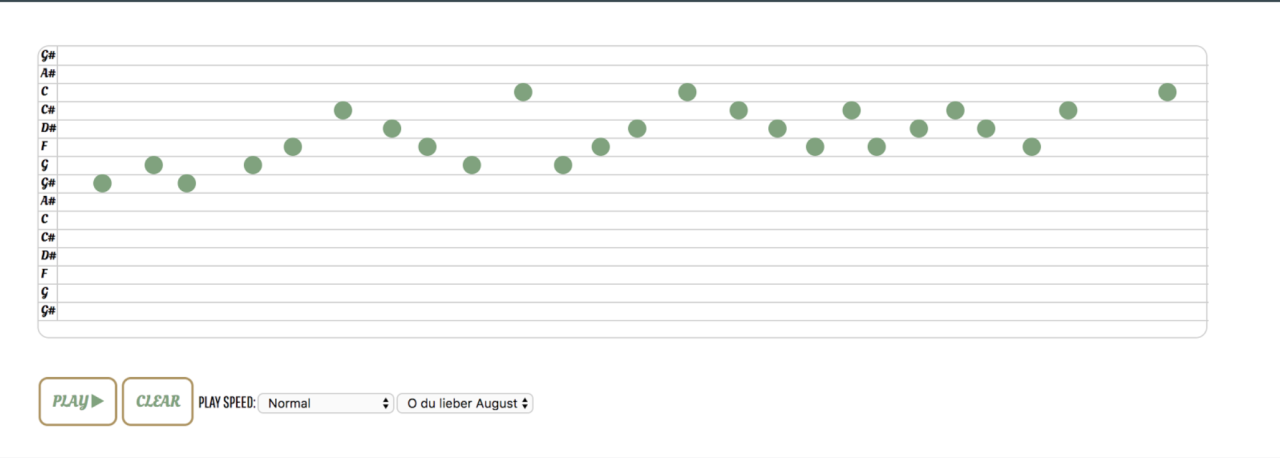
I also adapted and extended the open-source music box interface from musicbox.grit.it, building an interactable prototype that allowed users to move, add, and remove notes on the staff. This prototype was subsequently integrated into the final product in Part C.
Process: I led the preparation and facilitation of the paper prototype testing sessions. Post-test, the team iterated on the design and began minimum viable product development. Version control via GitHub was introduced at this stage to manage the growing codebase.
Reflection: Resolving the two hardest technical challenges in this phase — transcription and the interactive music editor — gave the project a solid foundation for the final build. The main process gap was quality control; submissions would have benefited from a structured review pass before delivery. That lesson was applied directly in the Trade Show preparation, where the team rehearsed the presentation thoroughly and saw a clear improvement in execution.
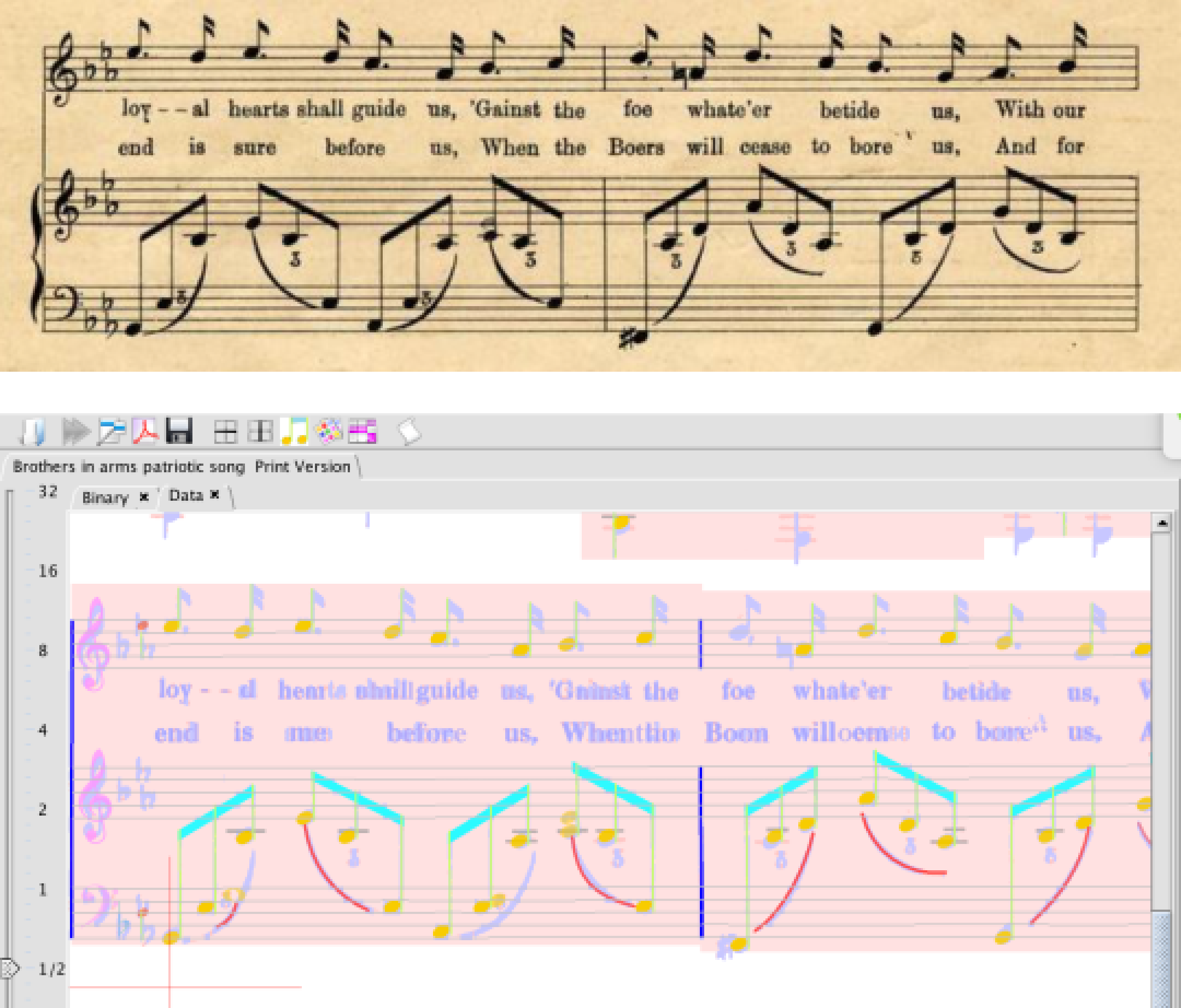
A auto-transcription result by Audiverse
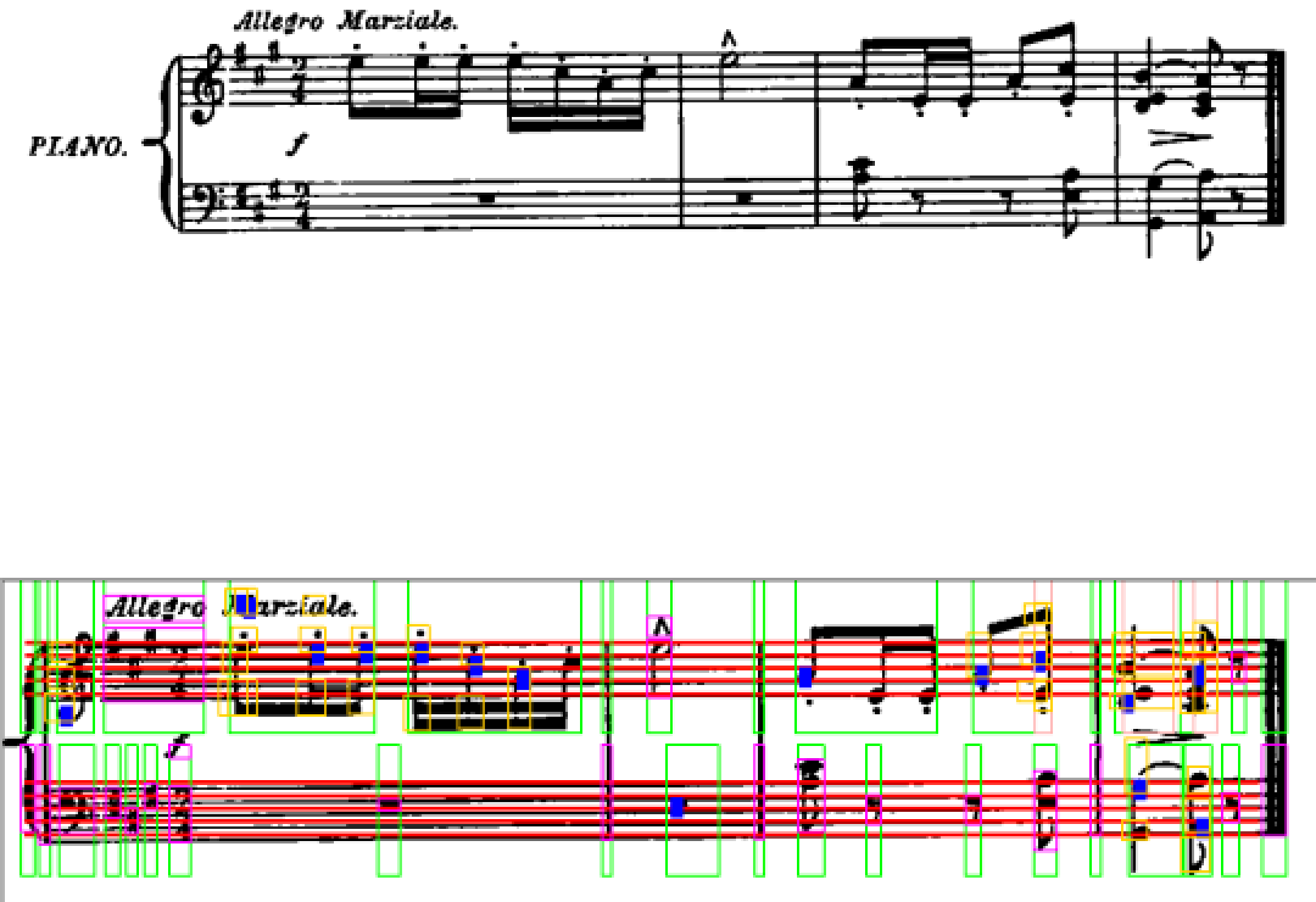
A auto-transcription result by OpenOMR
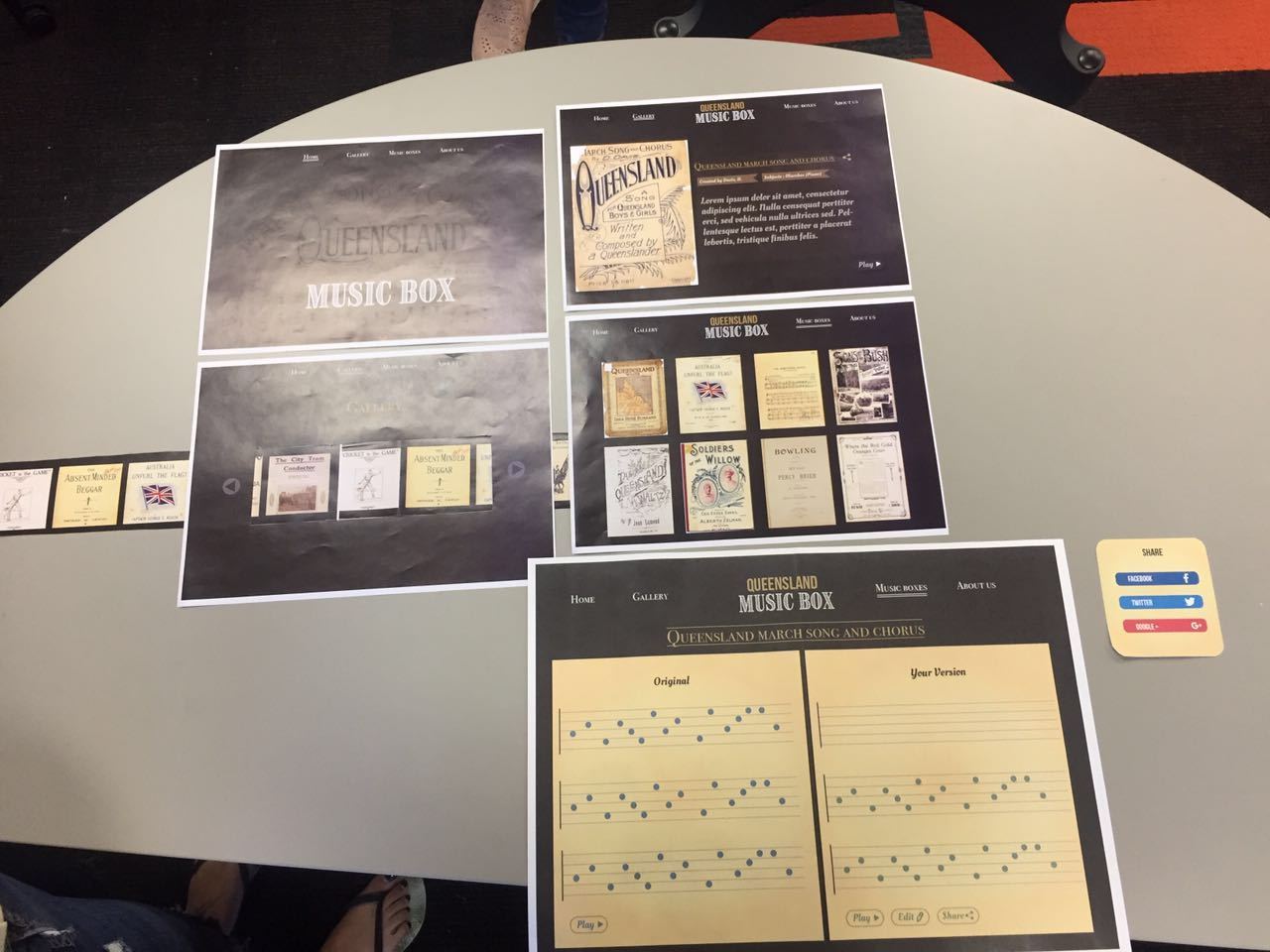
A photo for the paper prototype